
Permanent pasture.
Crossed by the  Moreton Eight and
  Diamond way footpaths.
Current activity: Grazing for ewes and lambs, we made haylage in early June...


A perennial grass native to Europe and Asia, known for its tall stems, cylindrical flower heads, and soft green leaves. Grown for hay and forage due to its high nutritional value and palatability for livestock.

A hardy perennial grass with dense tufts and tall growth, valued for high yield and nutrition. Its broad leaves and coarse texture make it ideal for grazing and hay, even in dry or shaded conditions.
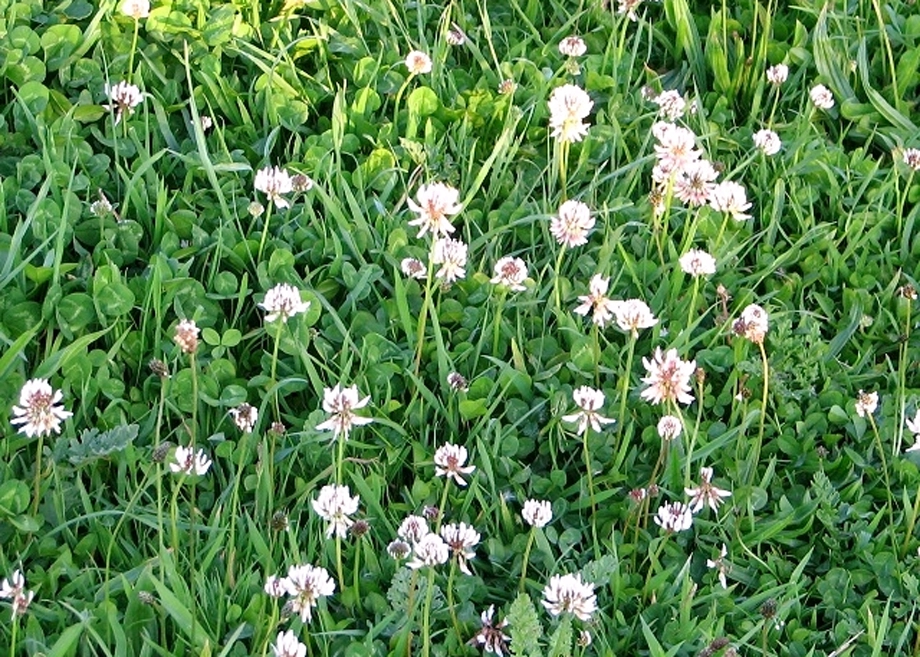
A low-growing perennial legume with creeping stems and trifoliate leaves. Its white flowers attract pollinators, and its nitrogen-fixing ability improves soil, making it ideal for pastures.

A hardy, fast-growing grass with dense growth and deep roots that improve soil. It withstands heavy foot traffic and thrives in cool climates, making it ideal for grazing and turf.
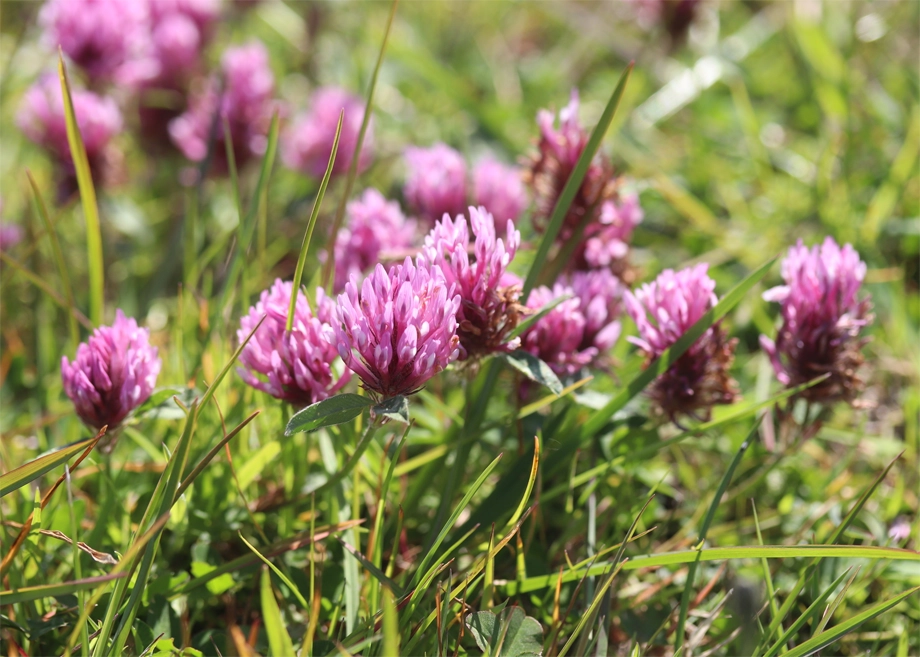
A nitrogen-fixing legume valued for its high protein content and digestibility as a fodder crop. Its deep taproots improve soil structure and drought resistance, while its rich nutrient profile supports improved animal health, fertility, and milk production.
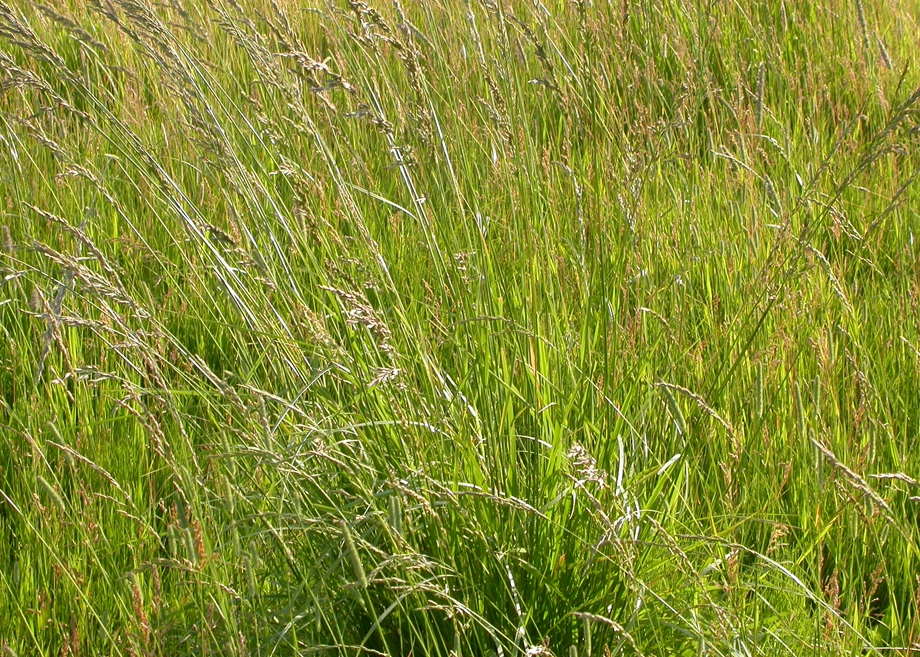
A hardy, perennial grass valued for its high yield and digestibility. It thrives in cool climates, providing nutritious forage that supports healthy weight gain in livestock.

A low-growing, perennial legume with bright yellow flowers and
distinctive seed pods resembling bird’s feet. It improves soil fertility
by fixing nitrogen and provides nutritious forage for livestock and
wildlife.
Commonly known as Eggs and Bacon
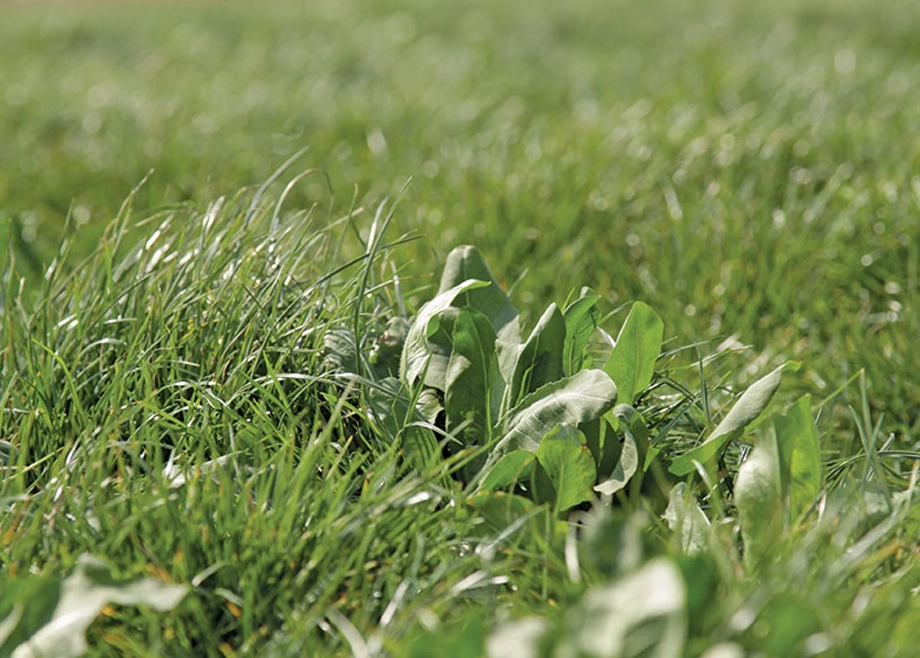
A deep-rooted perennial forage crop known for its high mineral content and digestibility. It supports rumen health, improves weight gain, and provides drought-resistant, nutrient-rich grazing.
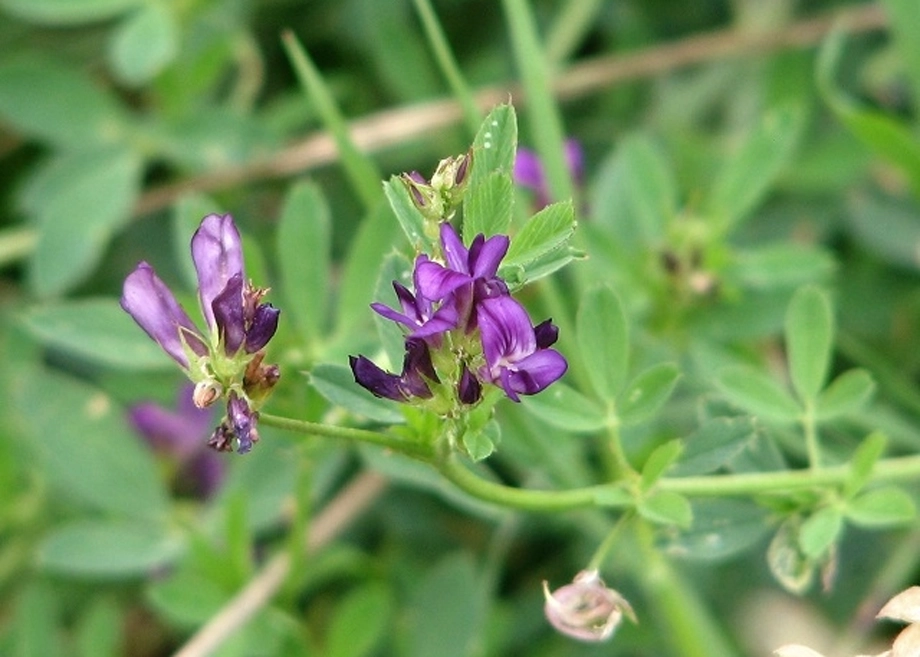
Known as alfalfa, is a deep-rooted, nitrogen-fixing legume valued for its high protein content and digestibility. It enhances soil fertility and supports improved livestock health and productivity.