
Old Farm, Dorn is a 300 acre tenanted farm on the Batsford Estate.
Explore the layout of our farm with this interactive map, showing each field and its unique role in our farming operation. Either click a field on the map or one of the field names below to learn more about its, crops, livestock and current activity.
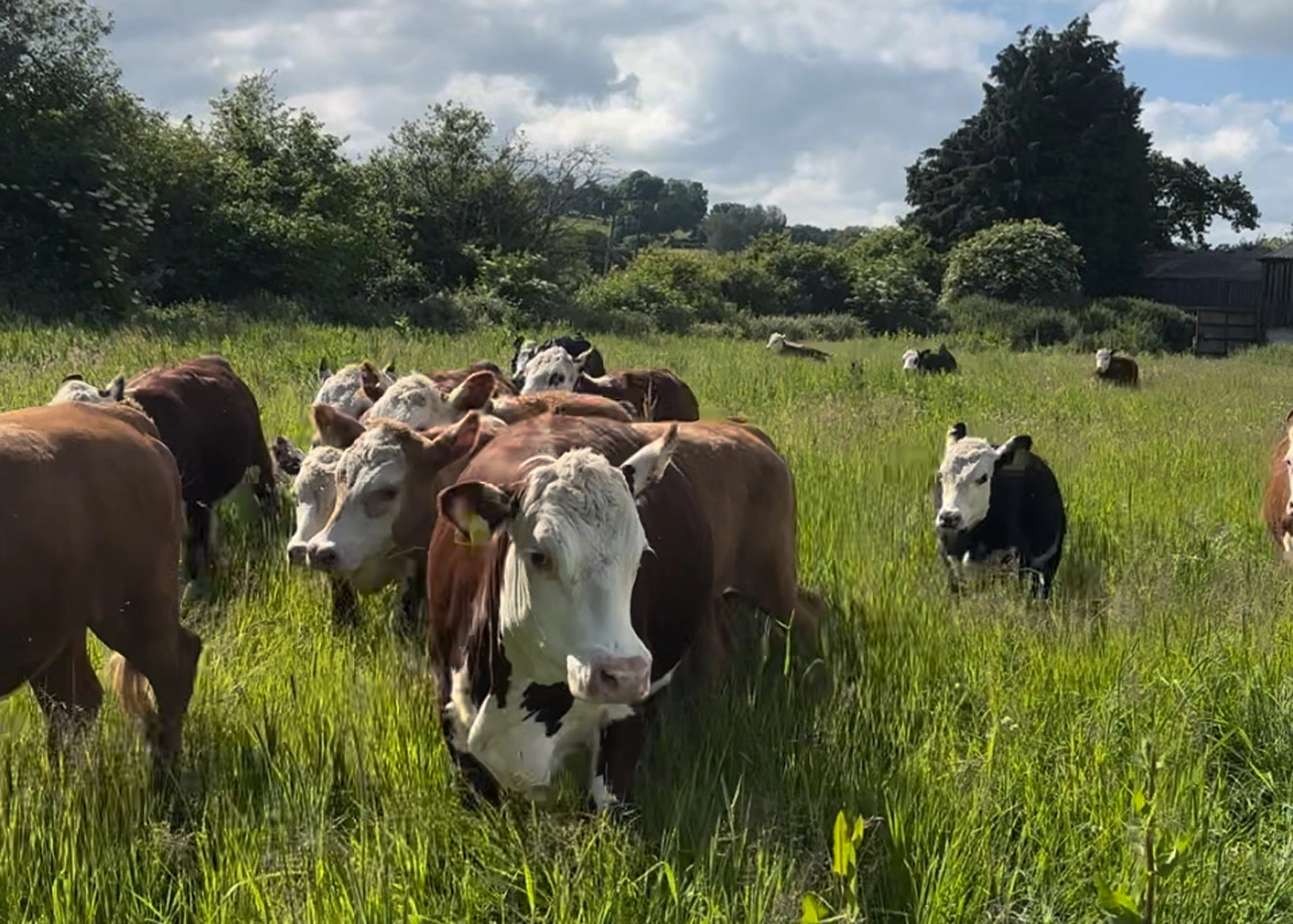
Mixed planting of pasture land involves growing a diverse blend of grasses, legumes, and forage herbs, creating a balanced and nutrient-rich grazing environment for livestock such as beef cows, sheep, and pigs. This approach improves soil health, increases biodiversity, and enhances the resilience of the pasture to weather fluctuations. For ruminants like cows and sheep, a mix of deep-rooted legumes such as clover and nitrogen-fixing plants provides high-protein forage that supports growth and milk production while reducing the need for synthetic fertilizers. Pigs, which naturally root and graze, benefit from a variety of plants that offer a more diverse diet and promote natural foraging behaviors. Additionally, mixed planting helps reduce parasite loads, improves weight gain, and extends the grazing season, making it a sustainable and cost-effective strategy for livestock farmers.
For commercial crops, integrating cereals like wheat and oats with nitrogen-fixing legumes such as peas and beans enriches soil fertility and reduces reliance on artificial inputs. This diverse planting system also suppresses weeds, lowers disease risks, and disrupts pest cycles. Stubble turnips, often used as a cover crop or livestock feed, prevent soil erosion, enhance organic matter, and provide valuable late-season grazing. By adopting mixed cropping, farmers improve yields, sustainability, and overall farm resilience.
