
This field is part of a programme of an Arable/Grass rotation. Short term grass ley.
Current activity: Grazing for sheep

This pasture blends Permanent, perennial, and Italian ryegrass, alongside White Clover, creating a high-quality, versatile forage system for both hay and silage production. The ryegrasses provide fast growth and excellent yields, while the White Clover enriches the soil with nitrogen, improving fertility. Ideal for both grazing and preservation, this mix ensures a nutritious, sustainable feed source for livestock throughout the seasons.
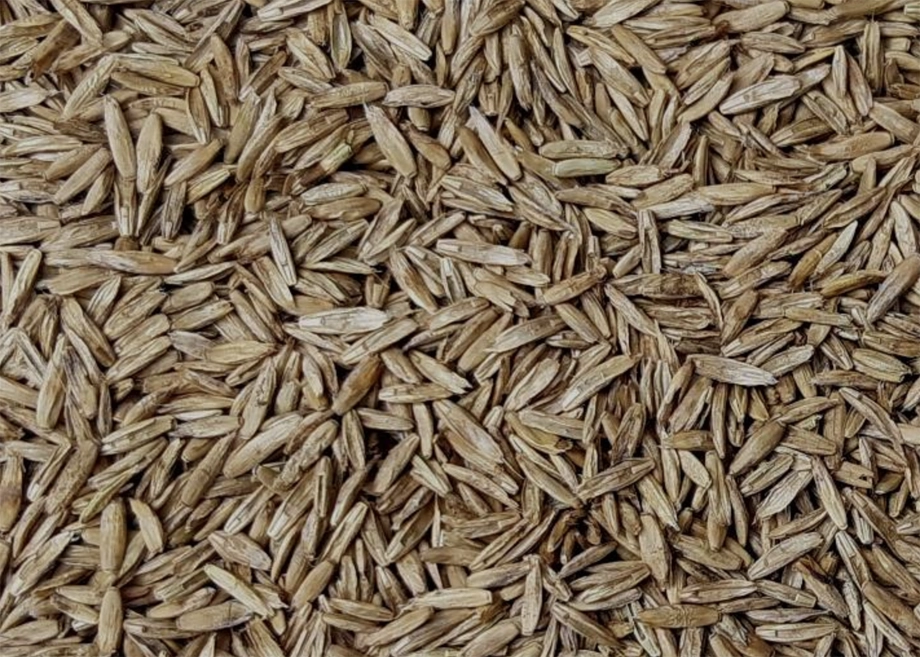
A long-lasting pasture grass mix, ideal for multi-year grazing systems. It provides high-quality forage, withstands grazing, improves soil structure, and maintains consistent growth throughout the seasons.

A hardy, fast-growing grass with dense growth and deep roots that improve soil. It withstands heavy foot traffic and thrives in cool climates, making it ideal for grazing and turf.
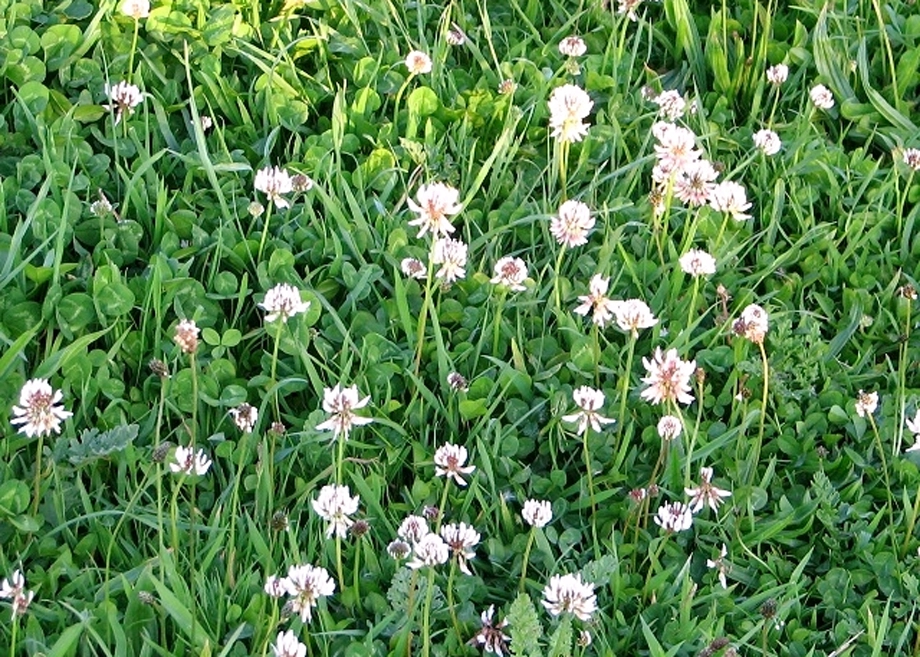
A low-growing perennial legume with creeping stems and trifoliate leaves. Its white flowers attract pollinators, and its nitrogen-fixing ability improves soil, making it ideal for pastures.

A fast-growing, high-yielding grass ideal for short-term grazing, silage, or hay. It establishes quickly, provides excellent forage quality, and offers multiple cuts per season but lacks true perennial persistence.
Both hay and silage are forage preservation methods, but they differ in moisture content, storage, and fermentation.
• Hay is dried grass or legumes (e.g., ryegrass, clover) with low moisture (≤15%), preserved by dehydration. It’s stored in bales and provides a long shelf life, but weather-dependent drying can be challenging.
• Silage is fermented forage (e.g., grass, maize) with higher moisture (40-60%), stored in airtight conditions (e.g., clamps, bales). The fermentation process preserves nutrients and improves digestibility, making it a high-energy winter feed for livestock.
